

The U.S. economy is currently navigating a complex landscape marked by rising inflation, fluctuating employment rates, and shifting consumer confidence. Understanding these dynamics is crucial for individuals and businesses alike.
Inflation Trends
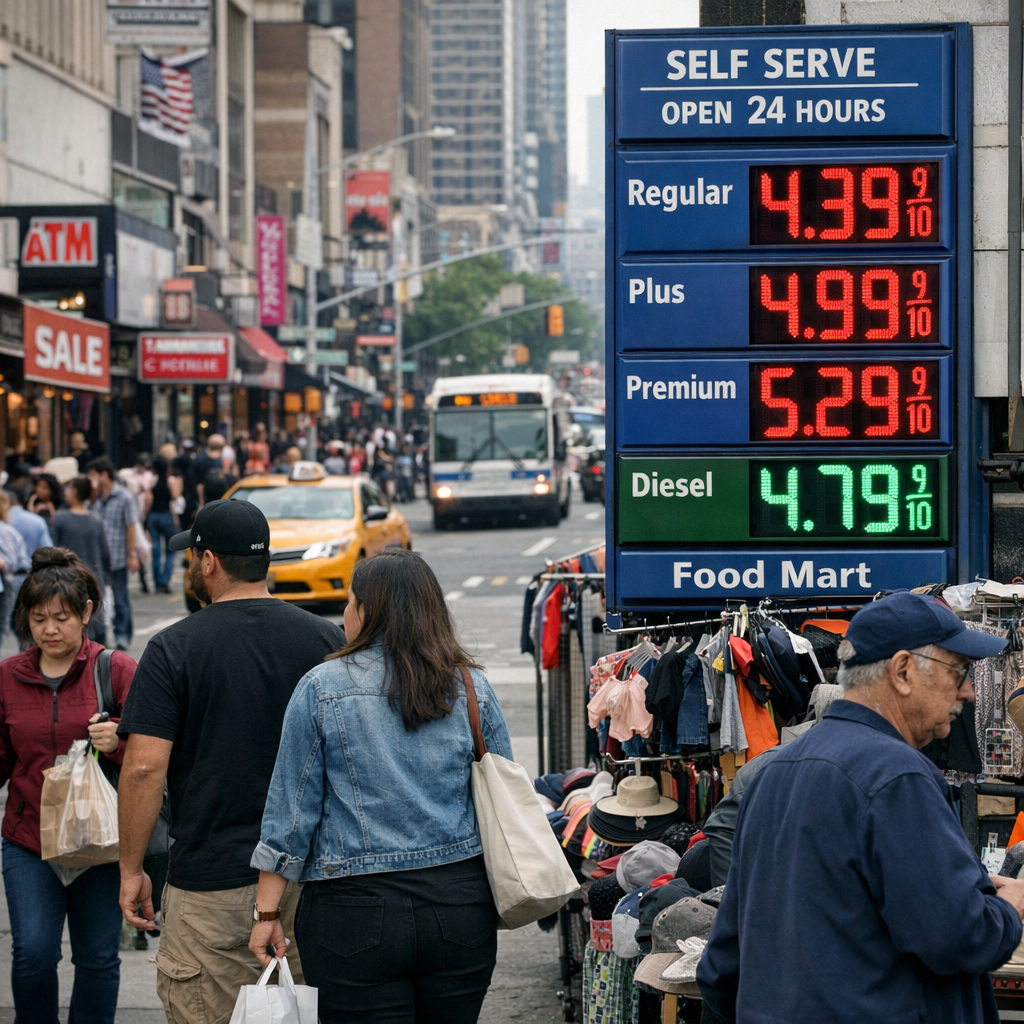
Recent data indicates a significant uptick in inflation, with the Consumer Price Index (CPI) rising by 3.8% in April. This increase is largely attributed to escalating energy costs, particularly gasoline prices, which have surged above $4.50 per gallon. Such inflationary pressures are diminishing the purchasing power of consumers, as wage growth struggles to keep pace with rising prices.
Employment Landscape
The labor market presents a mixed picture. While certain sectors continue to add jobs, overall employment growth has slowed. Notably, the manufacturing sector has experienced a decline, shedding 37,000 jobs since April. This trend raises concerns about the sustainability of job creation in the face of economic uncertainties.
Consumer Confidence
Consumer sentiment has taken a downturn, reaching record lows. Factors contributing to this decline include the rising cost of living and uncertainties surrounding economic policies. This waning confidence is reflected in reduced consumer spending, which could have broader implications for economic growth.
Policy Responses
In response to these challenges, the Federal Reserve has confirmed Kevin Warsh as its new chair. Warsh faces the task of addressing inflationary pressures while fostering economic stability. Additionally, the administration is considering measures such as tax cuts and deregulation to stimulate growth and restore consumer confidence.
Looking Ahead
As the economy continues to evolve, staying informed about these key indicators is essential. Individuals and businesses should monitor policy developments and economic trends to make informed decisions in this dynamic environment.